Local History

Marion County and Its Towns

From Jackson's Military Road and Pikeville to coal camps, rail towns, courthouse squares, and river communities, Marion County's history is stitched through every town on the map.

County Story

Marion County, Alabama

Marion County was created by the Alabama Territorial Legislature on February 13, 1818, before Alabama became a state. It was named for Revolutionary War hero Gen. Francis Marion, remembered as the "Swamp Fox."

The county was formed from land acquired from the Chickasaw by the Treaty of 1816. Early settlement followed routes such as Jackson's Military Road, and the first towns included Pikeville, Hamilton, Winfield, and Guin.

Pikeville served as the first permanent county seat from 1820 until 1882. Hamilton became the county seat in 1883, and the courthouse that opened in 1901 remains a central landmark after later renovations and additions.
Community Cards

Towns in Marion County

Each card gathers the strongest verified details available from local and state history sources.

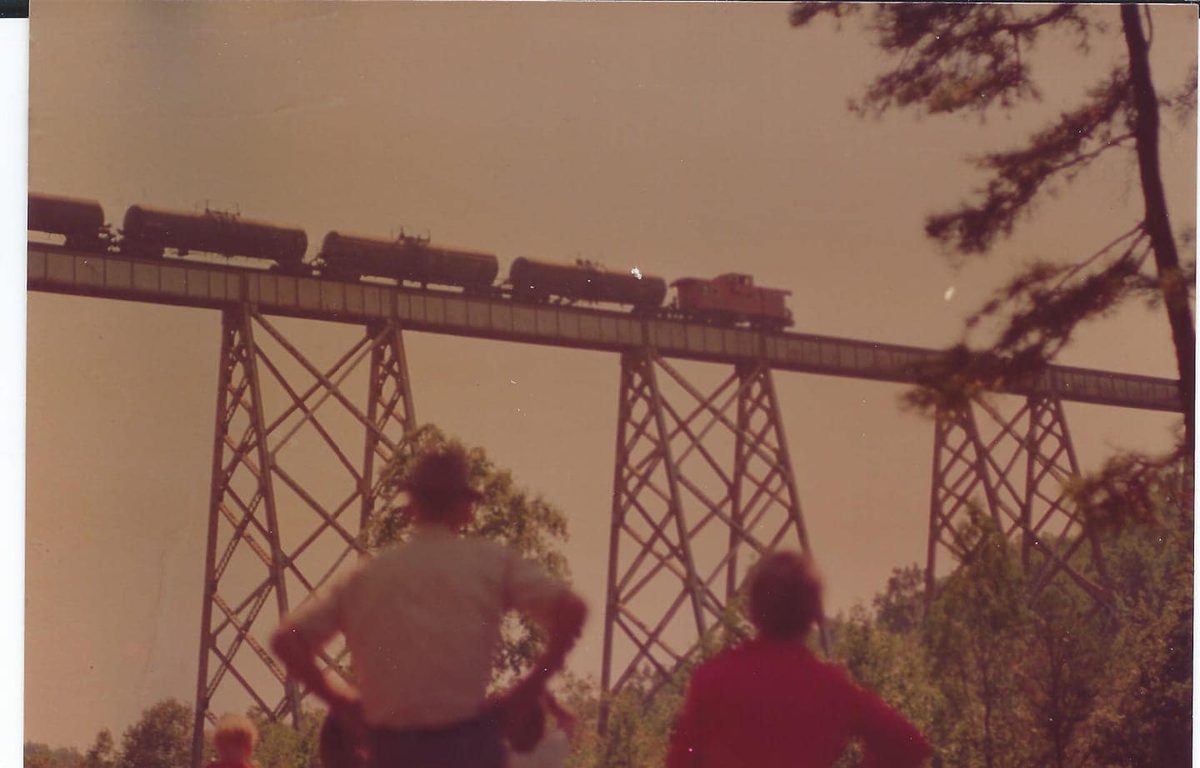
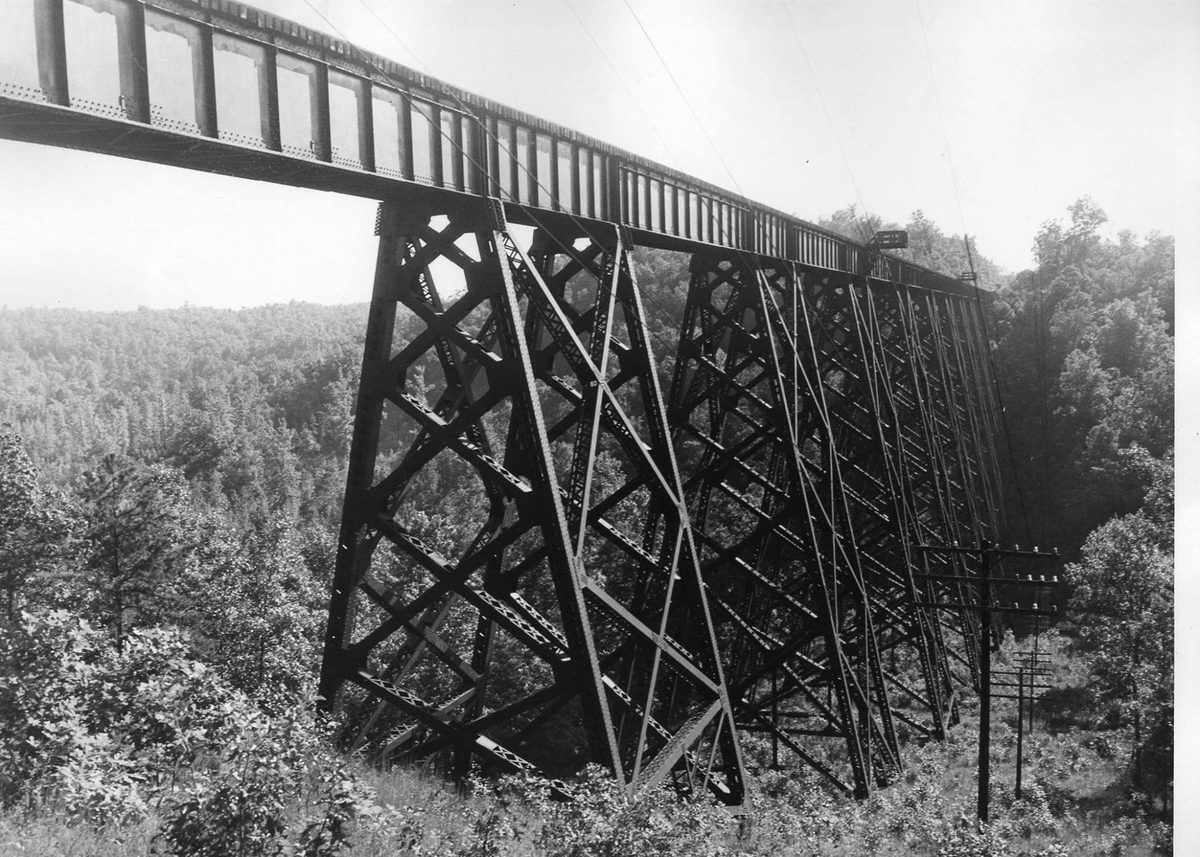
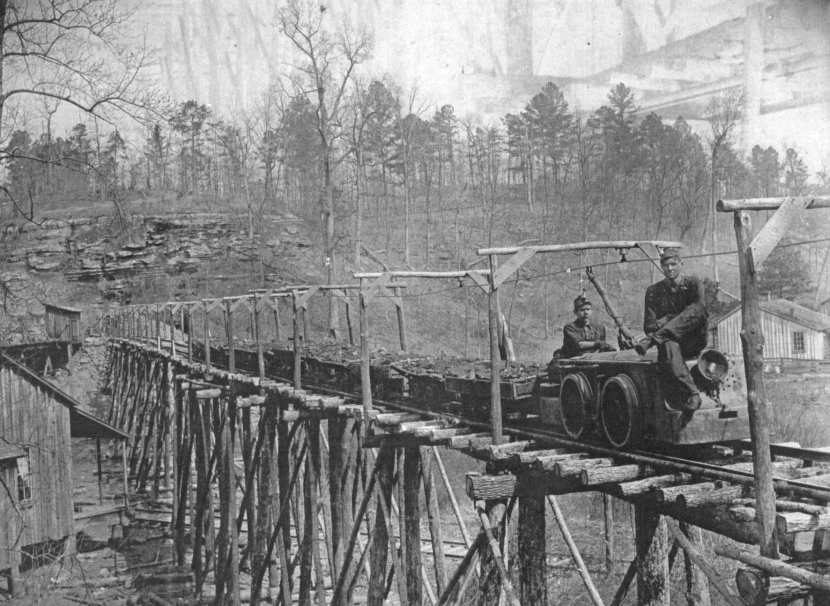
Historic Brilliant Mine scene from 1907 Historic Brilliant railroad trestle from 1907

Southeastern Marion County

Brilliant

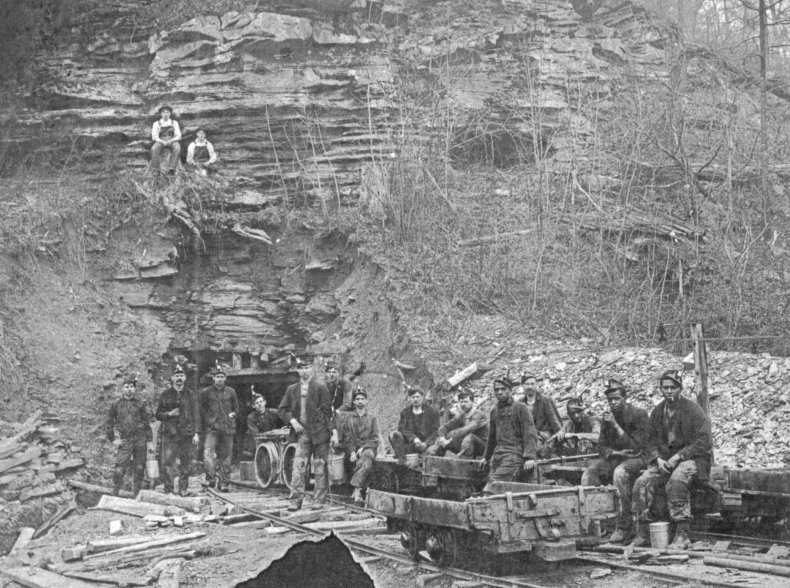
Brilliant began as Boston, named for the Bostick family, and grew around late-1800s coal mining and the Illinois Central Railroad. The town took the name Brilliant after the Brilliant Coal Company, whose high-quality coal made the community one of the county's important mining centers.

The community first incorporated in 1927 and was reincorporated in 1957 after absorbing the remaining Boston area. Brilliant still honors its coal-mining roots through Coal Fest, while landmarks such as the train depot, Dickinson Store, and Norris Hardware keep the early Main Street story visible.

  • Known first as Boston.
  • Brilliant Coal Company employed as many as 600 people.
  • Historic depot and Main Street buildings remain key local markers.
Historic Bear Creek dam Phillips Mercantile in Bear Creek, Alabama Historic Phillips School in Bear Creek

Northeastern Marion County

Bear Creek

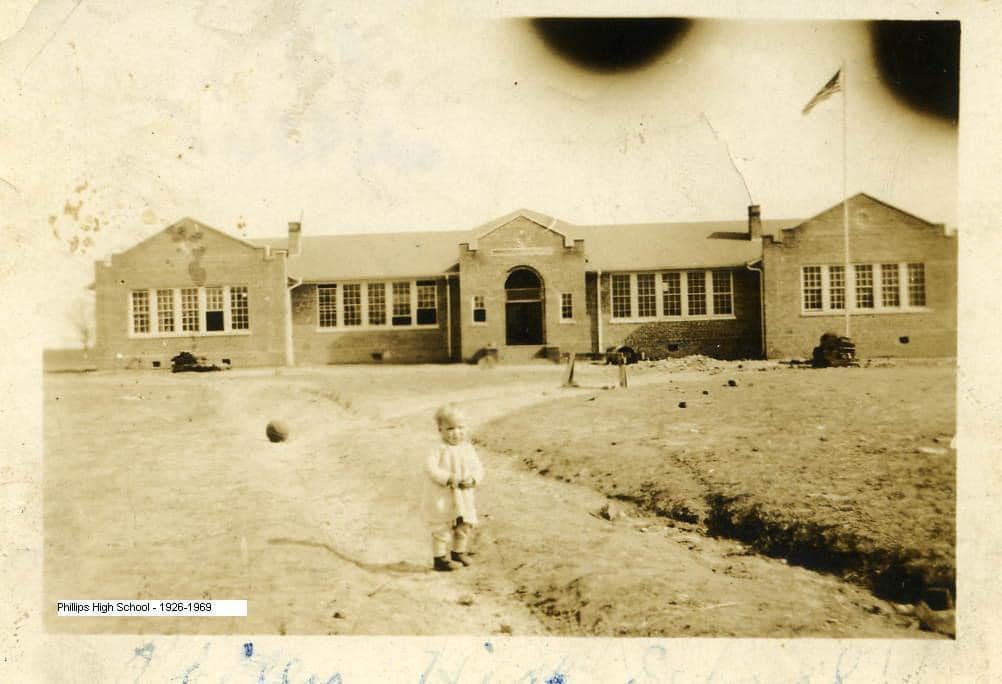
Before the Civil War, Bear Creek was known as Allen's Factory because of a nearby textile operation. After wartime destruction of the local factories, the town took its name from Bear Creek itself. J. R. Phillips helped shape the town in the early 1880s by buying land and dividing it into lots.

Bear Creek incorporated in 1907. Its early commercial life included stores, a gristmill, livery stable, cotton gin, hotel, blacksmith shop, and medical practices. The Upper Bear Creek Reservoir and Bear Creek floatway remain defining outdoor features for the community.

  • Originally associated with Allen's Factory.
  • Incorporated in 1907.
  • Upper Bear Creek Reservoir anchors recreation and local identity.
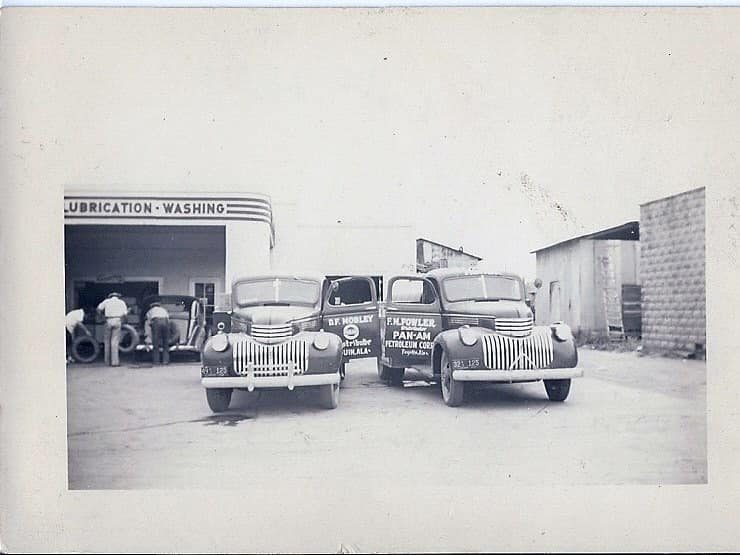
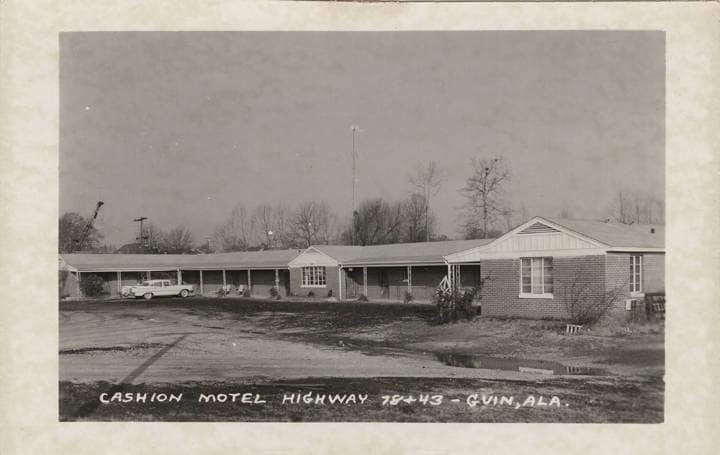
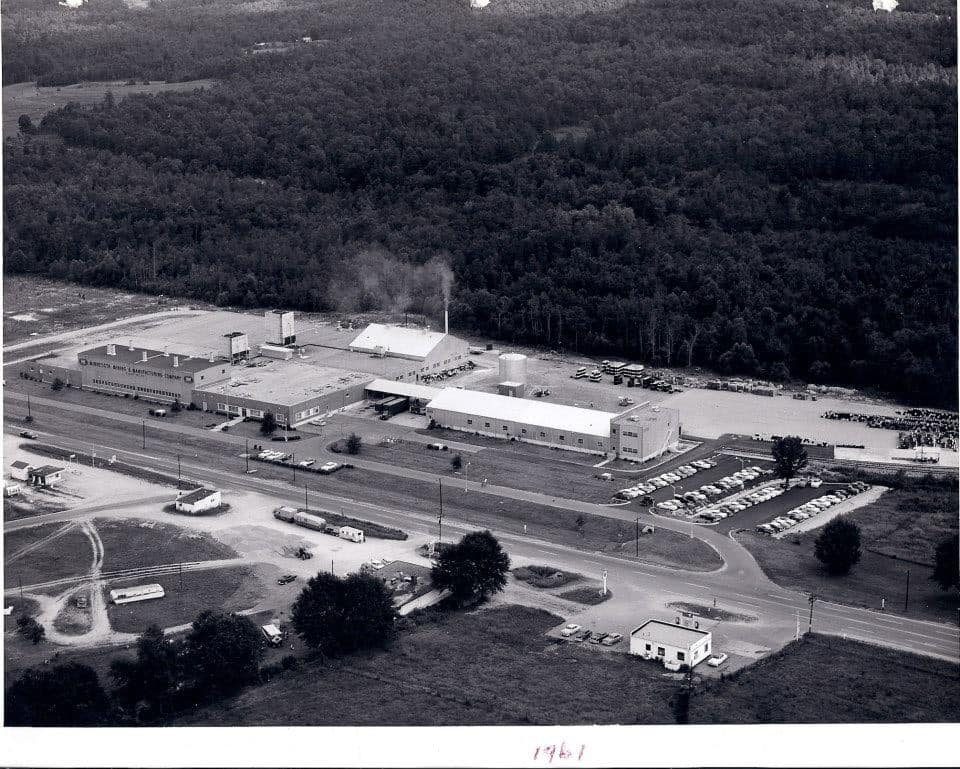
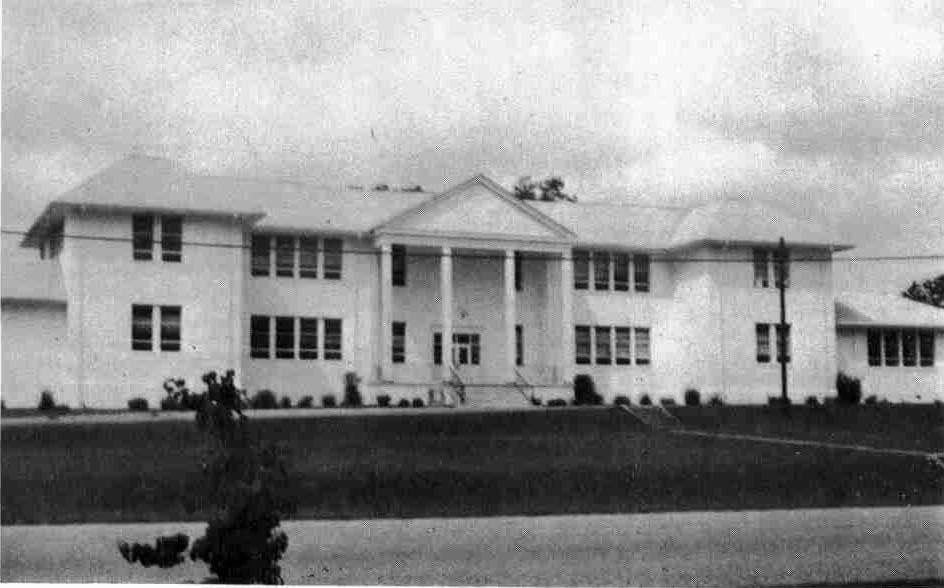
Historic downtown Guin Historic downtown Guin near the post office Another historic view of downtown Guin Guin City Hall in 1955 Historic Guin depot Historic Pan-Am station in Guin Historic Cashion Motel in Guin 3M Company in Guin in 1961 Historic Marion County High School

South-central Marion County

Guin

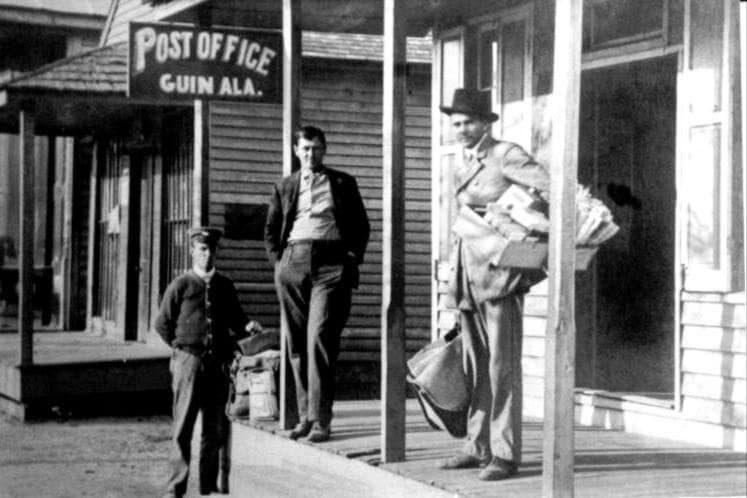
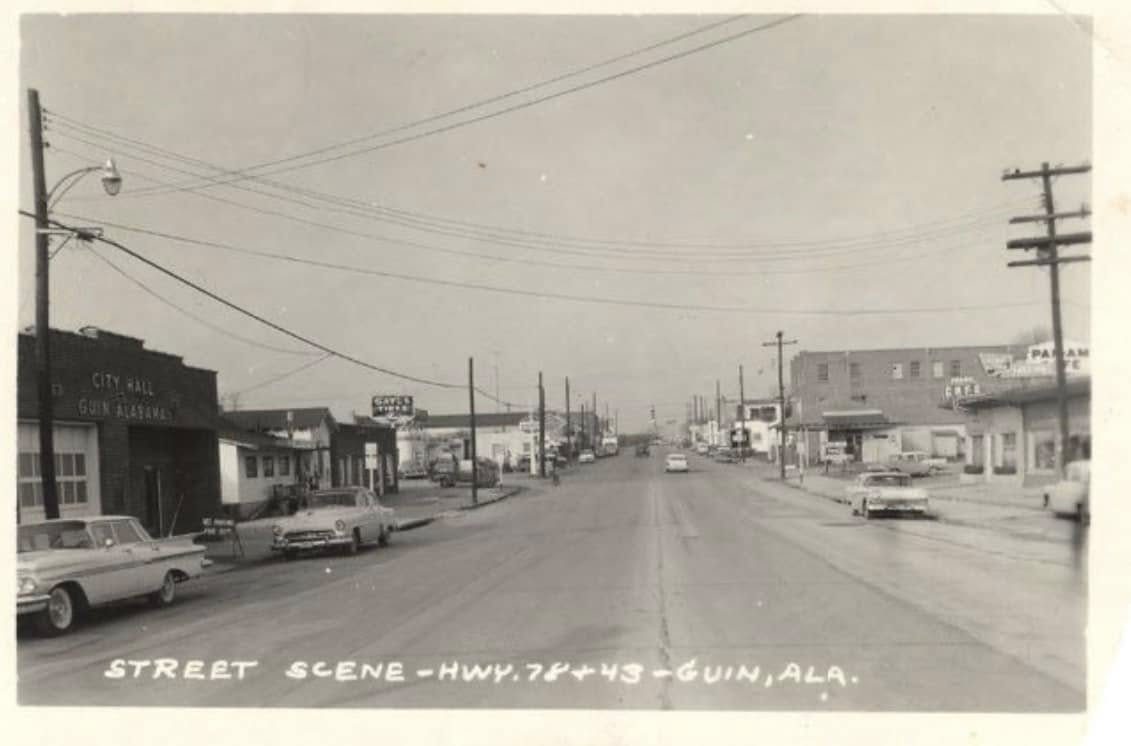
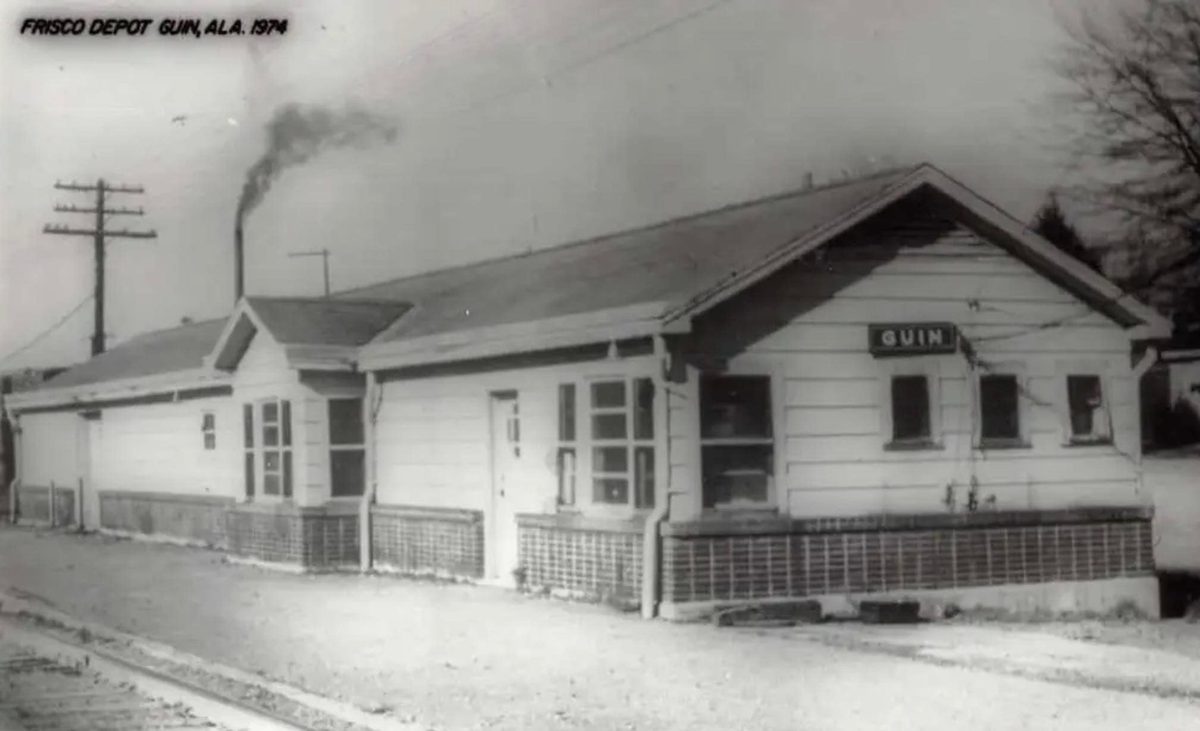
Guin traces its roots to an 1820 land grant and later to Dr. Jerry Guin, whose farm became the site of a railroad flagstop. The St. Louis-San Francisco Railway line between Birmingham and Memphis turned the stop into a railroad town, and Guin incorporated in December 1889.

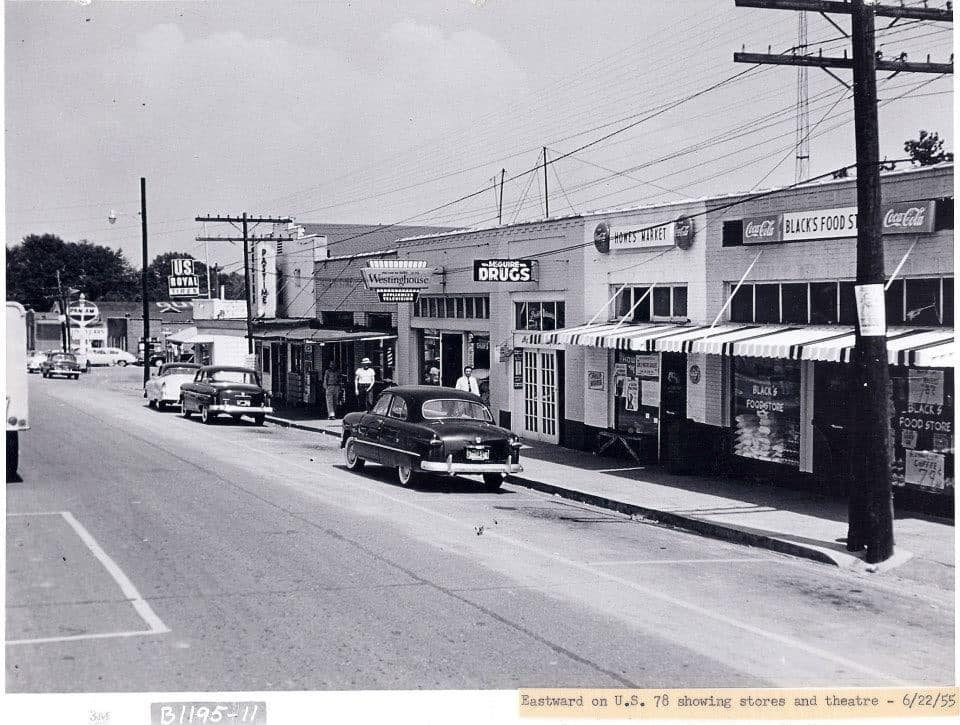
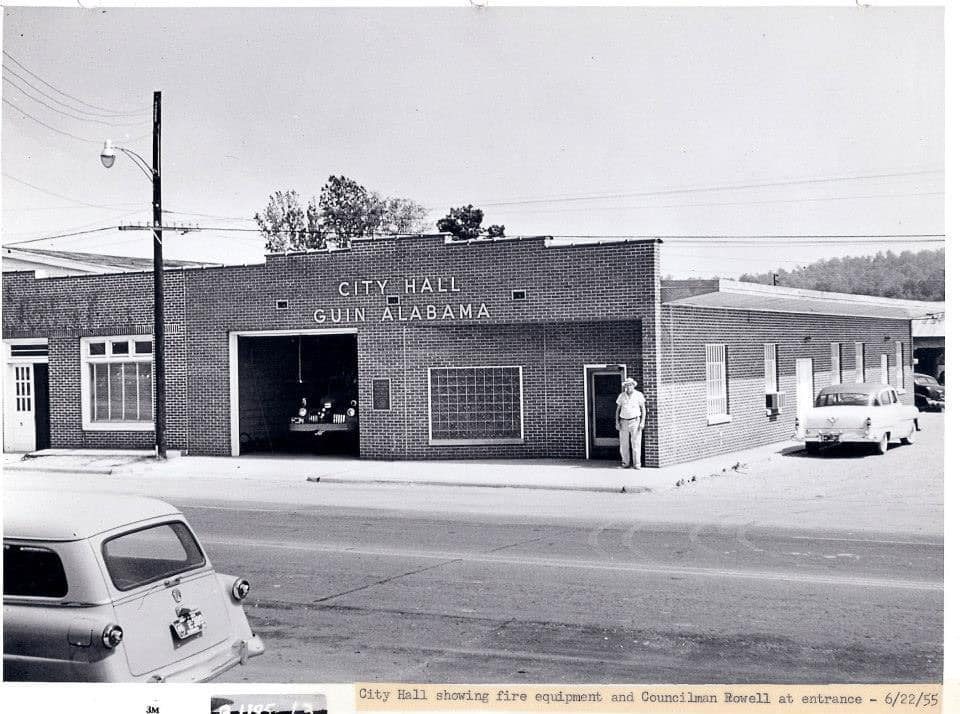
By incorporation, Guin already had stores, hotels, cotton yards, a livery stable, a schoolhouse, a Masonic lodge, and dozens of homes. The town later became home to the county's first public high school in 1912, a Coca-Cola bottling plant in 1926, and a 3M plant dedicated in 1955.

  • Established as a railroad town in 1889.
  • Named for Dr. Jerry Guin.
  • Mayfest and murals continue the downtown tradition.
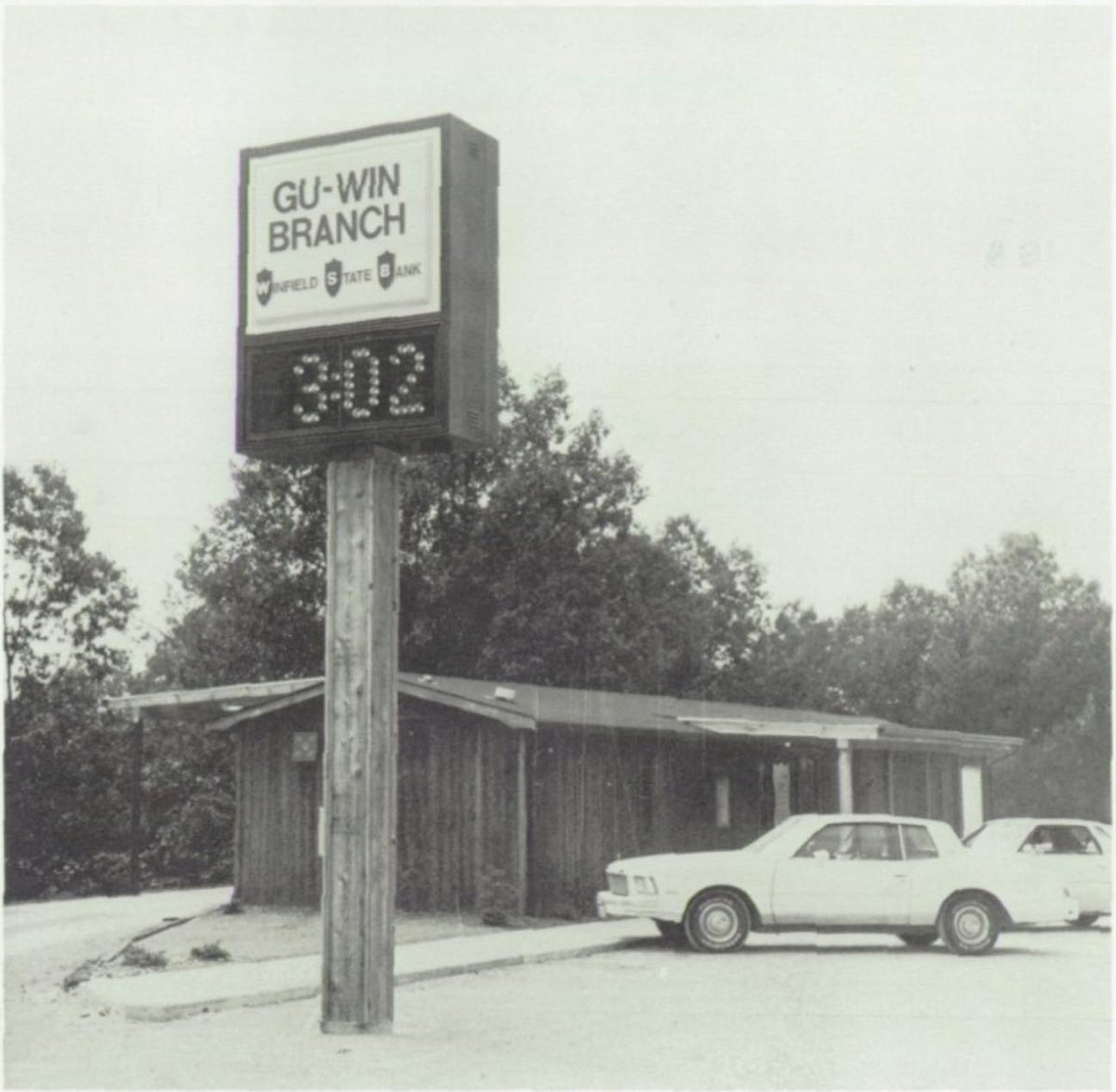
Historic Gu-Win bank building

Between Guin and Winfield

Gu-Win

Gu-Win sits largely in southwest Marion County, with a small corner extending into northern Fayette County. The community was first known as Ear Gap and grew up along a railroad line between Guin and Winfield.

In the 1950s, nearby Guin sought to annex Ear Gap, but residents chose to remain independent and incorporate. The town's name is commonly explained as a blend of Guin and Winfield, and another local account connects it to the Gu-Win Drive-In Theater, whose owner George Thornton became the town's first mayor.

  • Originally known as Ear Gap.
  • Name connects Guin, Winfield, and the Gu-Win Drive-In Theater.
  • The former Gu-Win Drive-In continues as the Blue Moon Drive-In Theater.
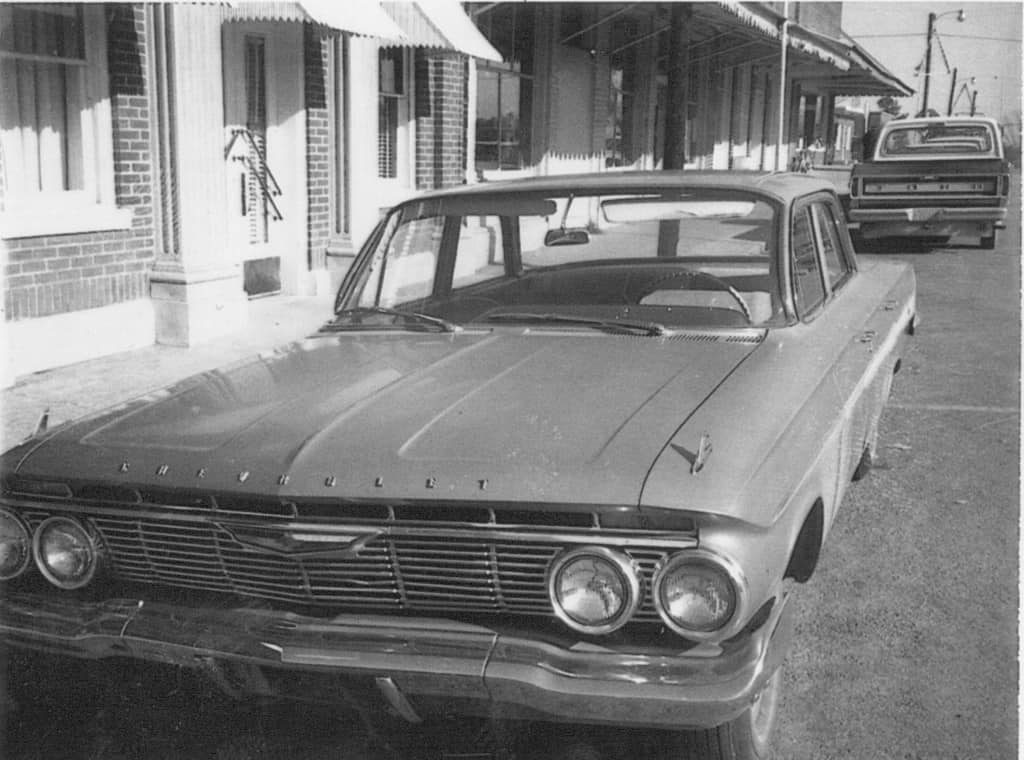
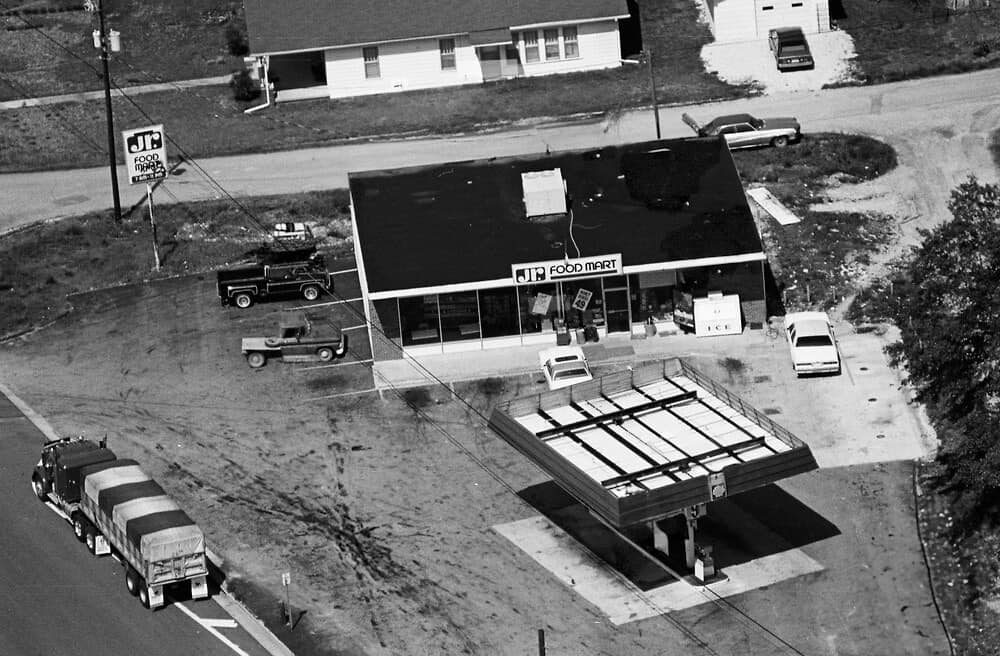
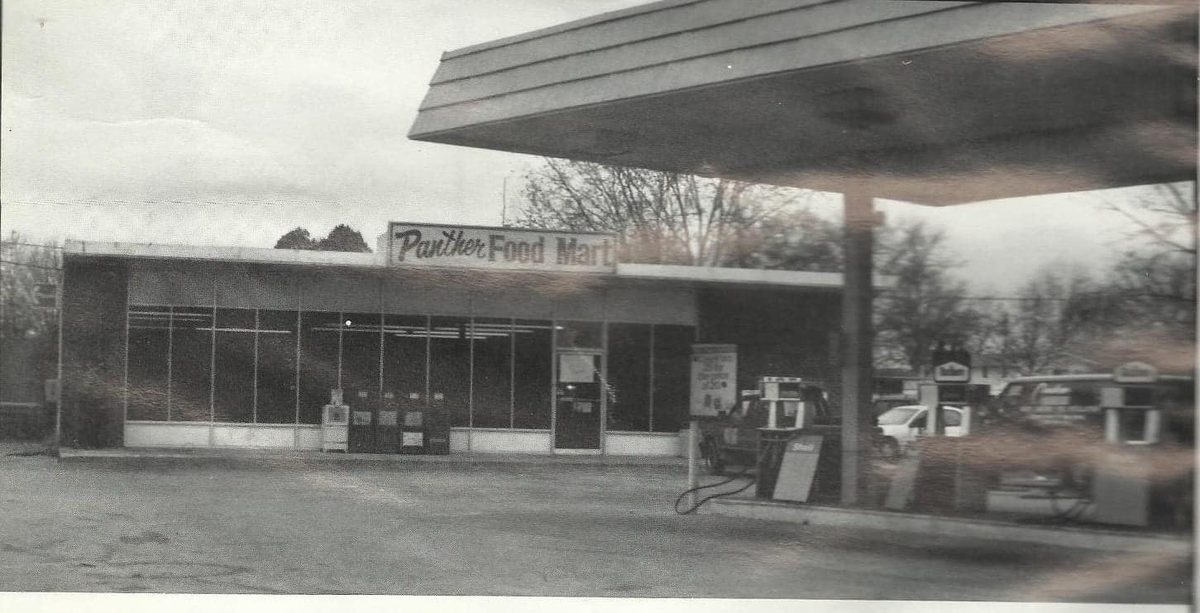
Historic downtown Hackleburg Aerial view of Panther Mart in Hackleburg Panther Mart in Hackleburg Historic train trestle in Hackleburg Second historic train trestle view in Hackleburg

Northern Marion County

Hackleburg

The Hackleburg area was Chickasaw territory before white settlement. The community grew at the meeting of stage roads and Jackson's Military Road, and its name comes from hackberry trees common to the area. A post office opened in 1885, and the Illinois Central Railroad brought a station and worker housing in the early 1900s.

Hackleburg incorporated on August 23, 1909. The town is the birthplace of country music performer Sonny James and is also remembered for rebuilding after major tornadoes in 1943 and 2011, including the EF5 storm of April 27, 2011.

  • Located along Jackson's Military Road.
  • Incorporated in 1909.
  • Hometown of Sonny James.
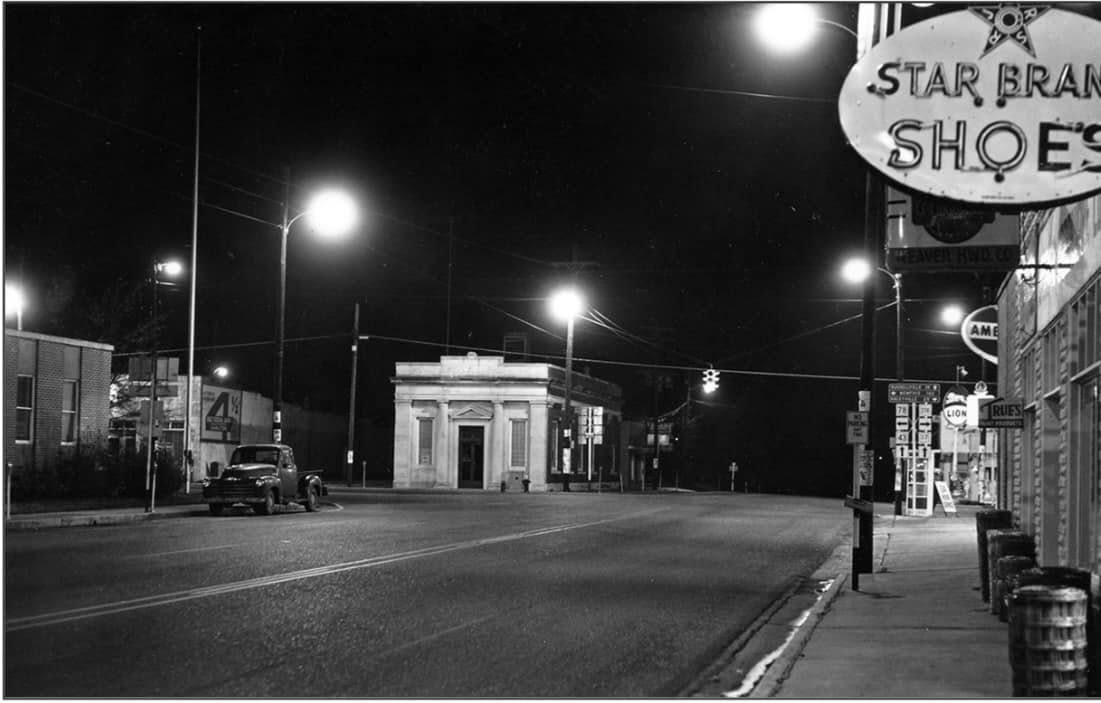
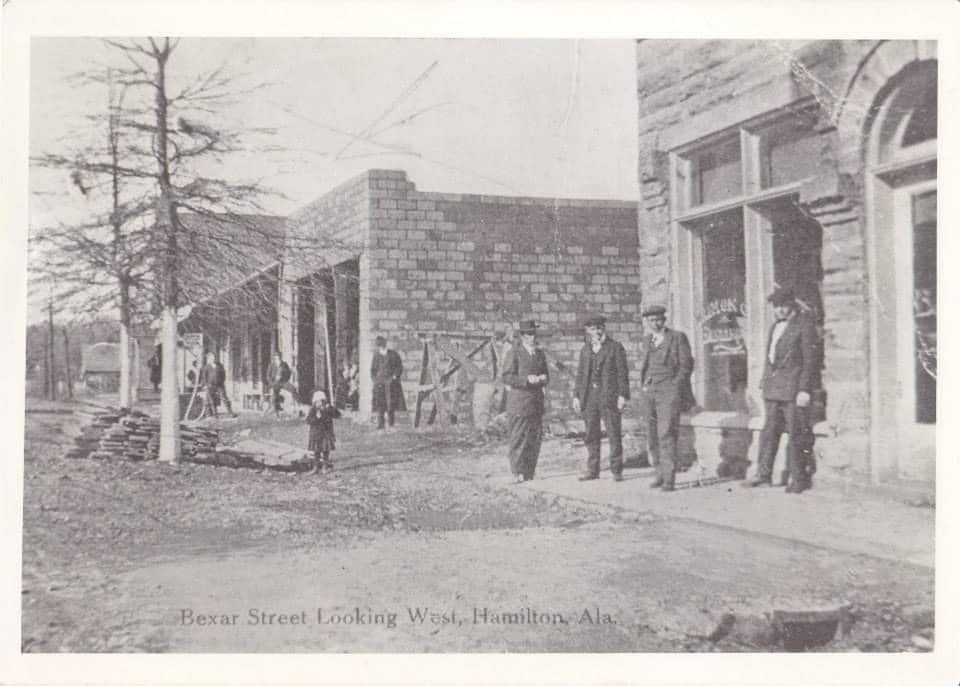
Historic downtown Hamilton Historic Bexar West scene near Hamilton Historic Sullins House in Hamilton Historic Watha's Amoco in Hamilton Historic Western Auto in Hamilton

County Seat

Hamilton

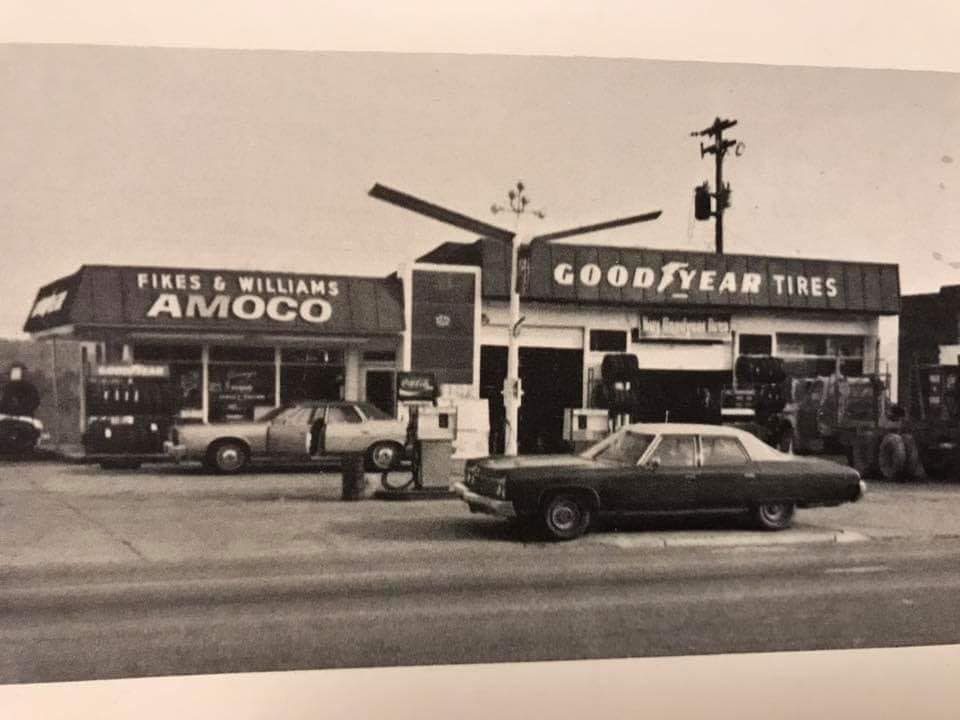
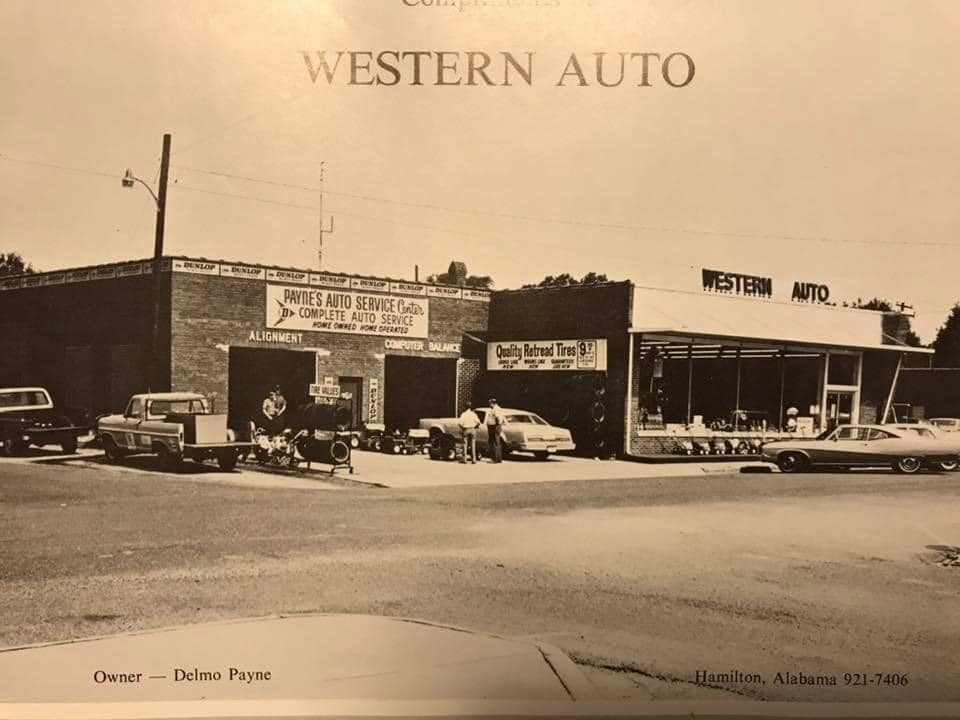
Hamilton was first known as Toll Gate because Alabama's first toll collection gate stood there to help maintain Andrew Jackson's Military Road. The toll house also served stagecoach travelers along the route connecting Nashville and New Orleans.

In 1880, Toll Gate was chosen as the new county seat. Capt. A. J. Hamilton donated 40 acres for the town, which was renamed in his honor in 1882. The county seat moved from Pikeville to Hamilton, and today's courthouse traces back to the structure opened in 1902 after earlier courthouse fires.

  • Formerly known as Toll Gate.
  • Named for Capt. A. J. Hamilton.
  • Home of the Jerry Brown Arts Festival and Buttahatchee River Fall Fest.
Historic map-style image for Twin, Yampertown, and Burlesons Store

South-central Marion County

Twin / Yampertown

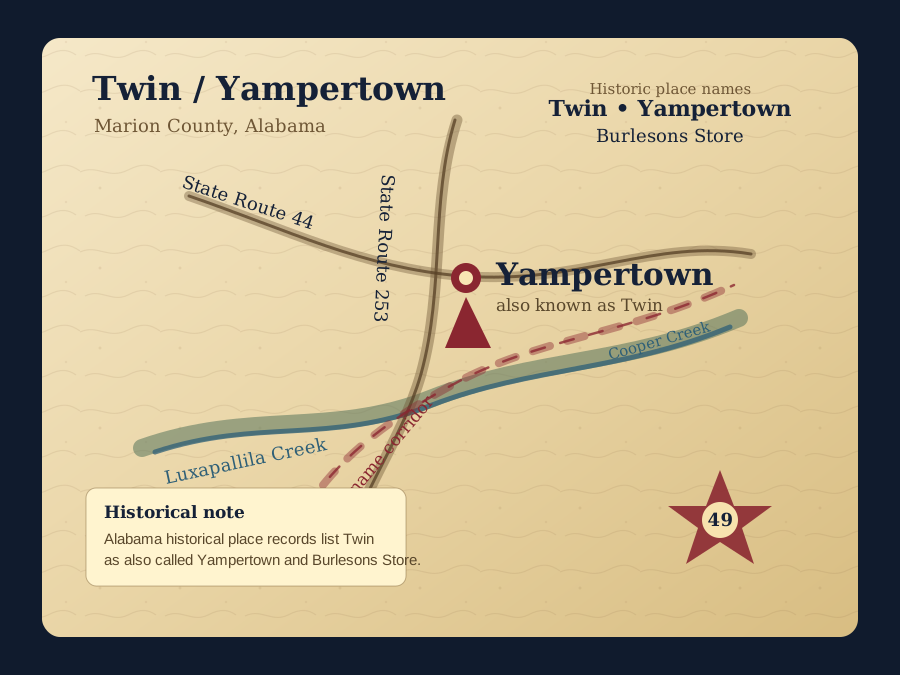
Twin, also known as Yampertown, sits in south-central Marion County near Brilliant, Guin, and Winfield. The town incorporated in 2002, making it one of the county's newer incorporated communities.

State Route 253 and State Route 44 connect the town with surrounding communities, and the Yampertown center lies around the valley of Luxapallila Creek and Cooper Creek. Students attend Marion County schools.

  • Also known as Yampertown.
  • Incorporated in 2002.
  • Located near Luxapallila Creek and Cooper Creek.
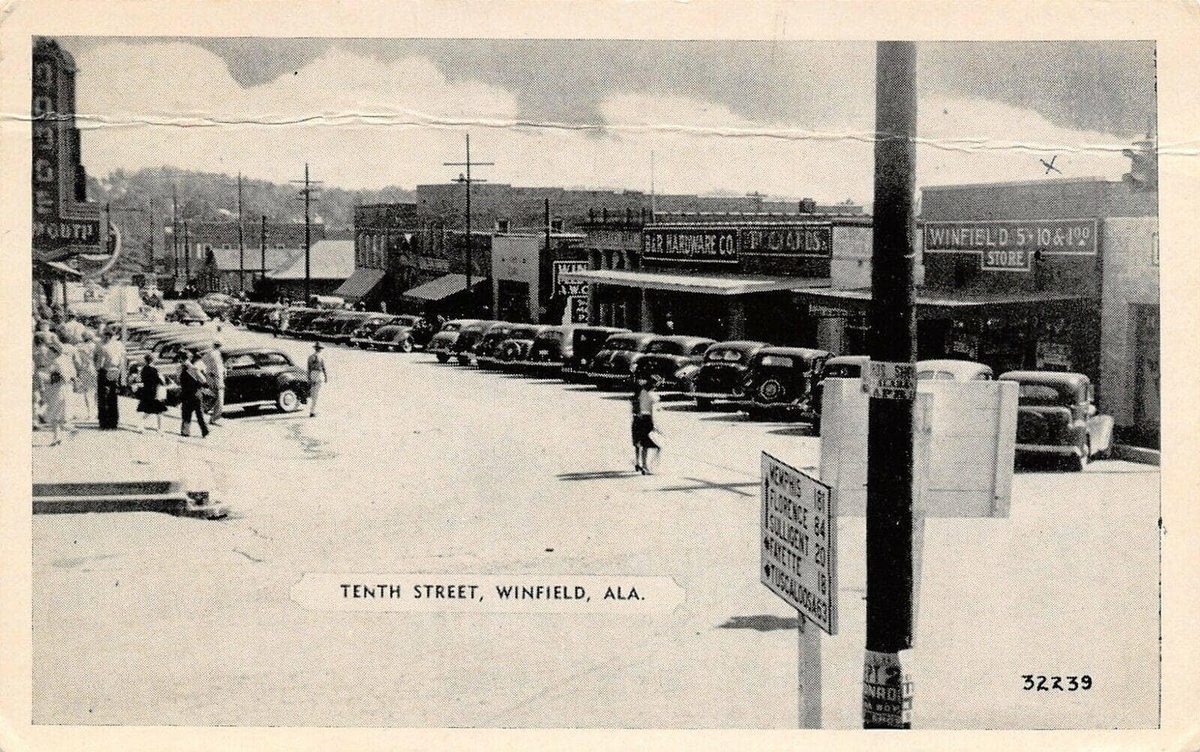
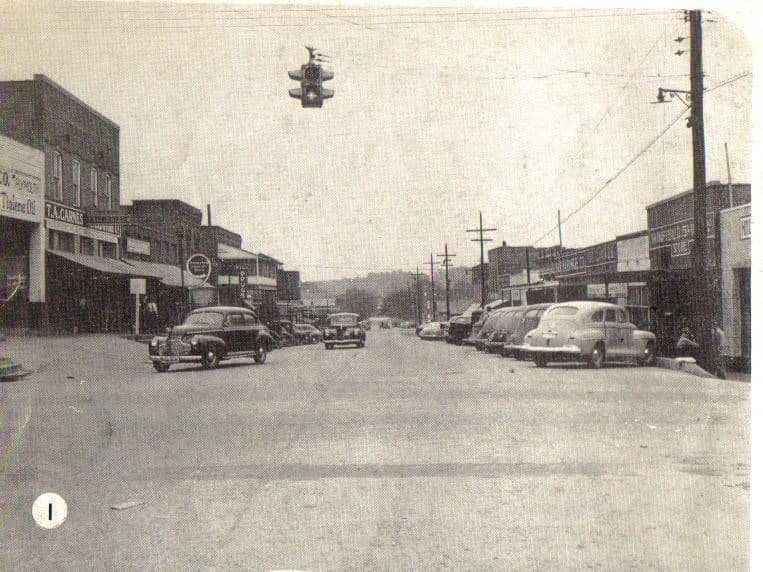
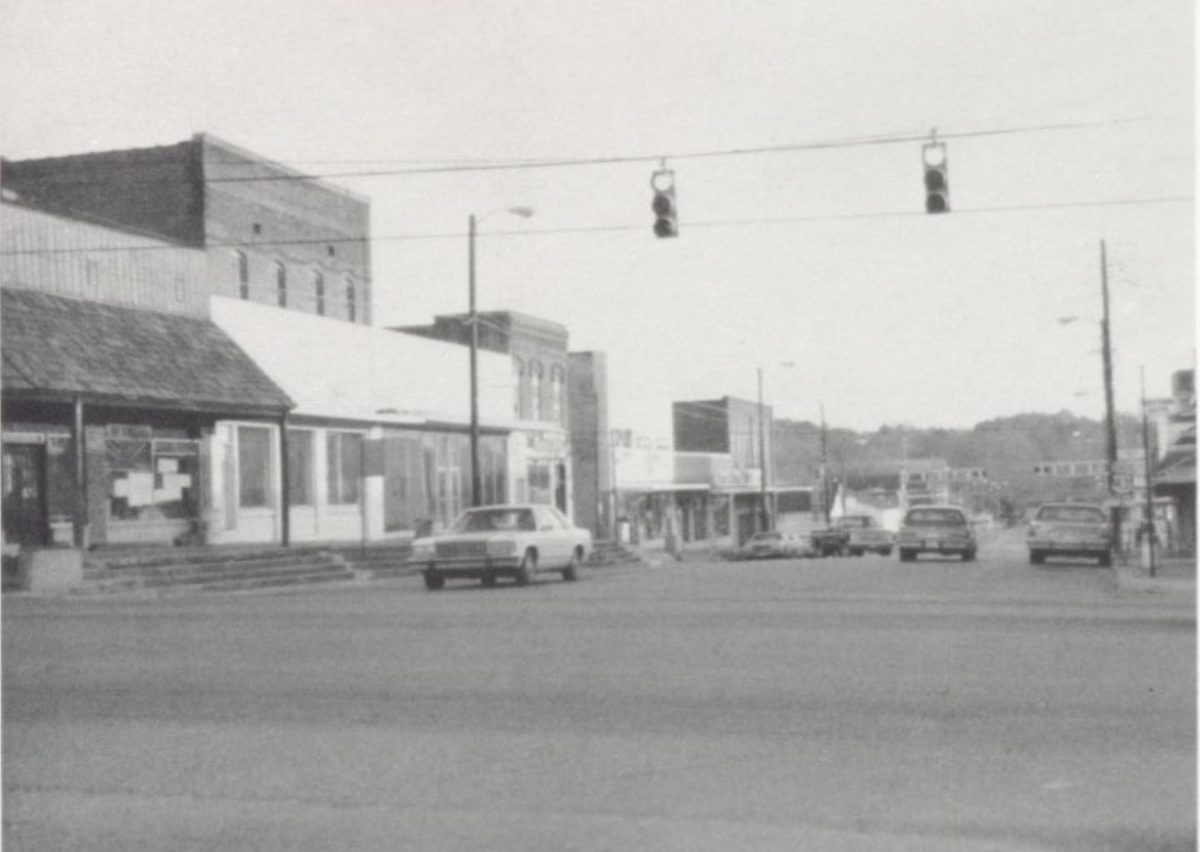
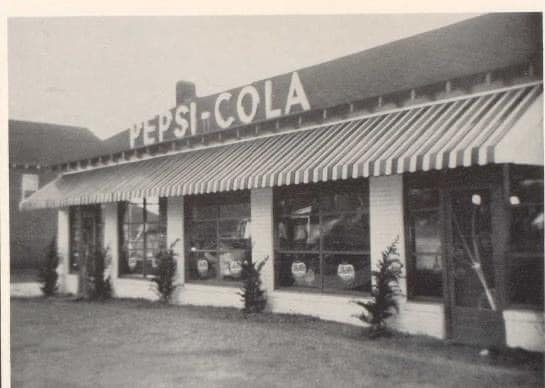
Historic downtown Winfield Second historic view of downtown Winfield Third historic view of downtown Winfield Historic Pepsi building in Winfield Historic Winfield school Historic Winfield train depot Historic Winfield street scene

Marion and Fayette Counties

Winfield

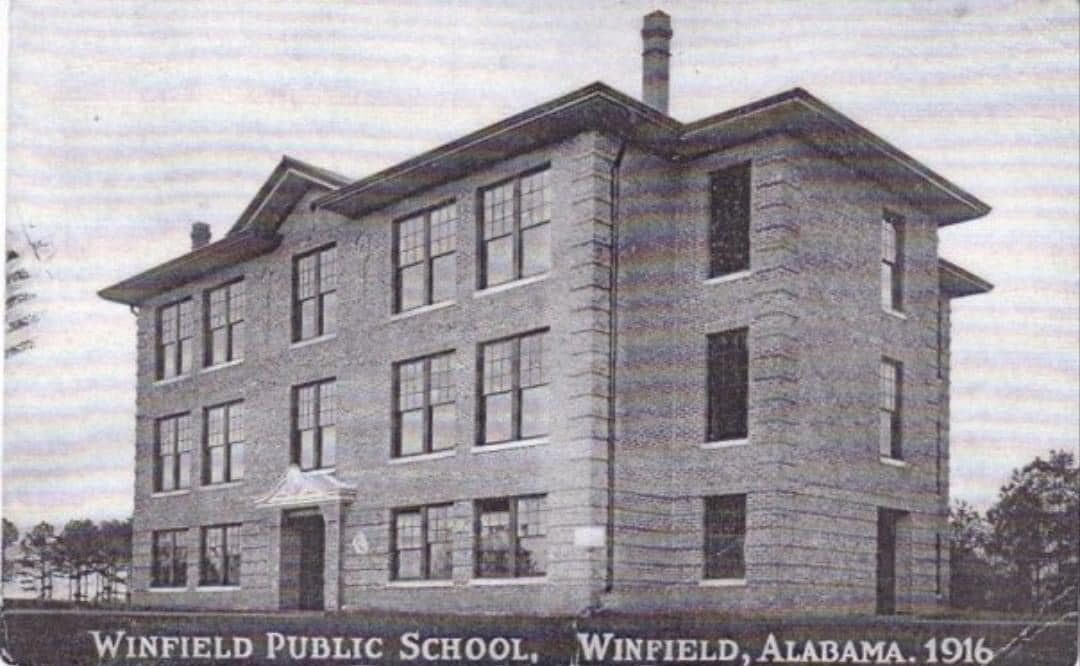
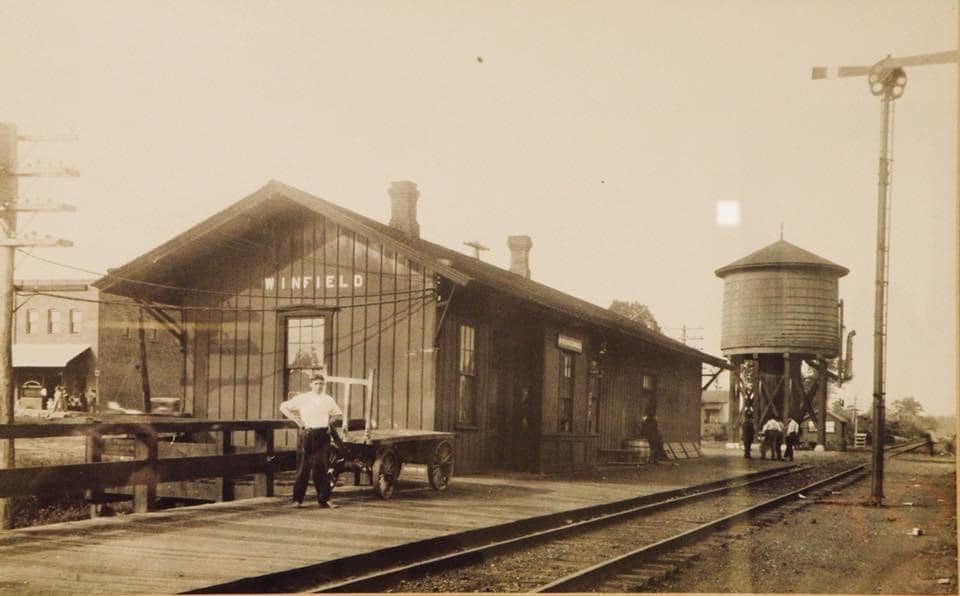
The Winfield area was originally called Luxapallila and had European-descended settlers by the 1830s. The Kansas City, Memphis, and Birmingham railroad came through in 1887, the first post office opened that year, and the community briefly selected Needmore before choosing Winfield in honor of Gen. Winfield Scott.

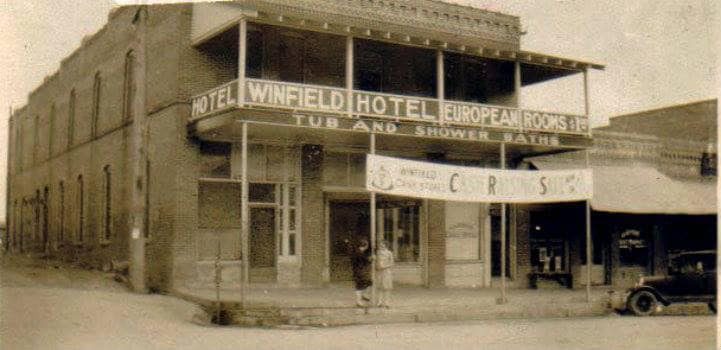
Early businesses included stores, a saloon, boarding house, tanning yard, and shoe factory. R. W. Harris Store began in 1895, Winfield State Bank opened in 1907, Alabama Mills opened in 1929, and Mule Day has celebrated the role of the mule in Alabama history since 1975.

  • Originally known as Luxapallila.
  • Railroad and post office arrived in 1887.
  • Mule Day began in 1975 and draws large crowds.

Research Notes

Sources Used

These town cards were compiled from state history references, official local history pages, and public community profiles.